


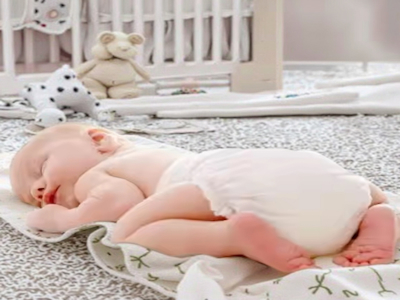
Введение: Сон — это фундаментальная часть жизни каждого человека, а для младенцев он играет особенно важную роль в развитии и здоровье. Малыши проводят большую часть своего времени во сне, и качество этого отдыха напрямую влияет на их физическое и эмоциональное благополучие. Одним из ключевых элементов, обеспечивающих комфортный и безопасный сон, является одеяло. Однако, когда речь идет о младенцах, стандартные одеяла могут быть не только неудобными, но и потенциально опасными из-за их склонности к пинкам и беспокойным движениям во сне. Именно поэтому выбор специального одеяла против пинков становится не просто вопросом удобства, а настоящей необходимостью для заботливых родителей. В этой статье мы глубоко погрузимся в тему, исследуя, насколько критически важно подбирать правильное одеяло для защиты малыша от непреднамеренных ударов и обеспечения его безопасности. Мы рассмотрим физиологические аспекты сна младенцев, проанализируем различные типы одеял, обсудим потенциальные риски и преимущества, и предложим практические рекомендации, основанные на научных данных и опыте родителей. Наша цель — предоставить исчерпывающее руководство, которое поможет вам сделать информированный выбор и создать идеальные условия для сна вашего ребенка, способствуя его гармоничному развитию и долгосрочному здоровью.
Сон младенцев — это сложный процесс, который существенно отличается от сна взрослых. В первые месяцы жизни дети проводят во сне от 14 до 17 часов в сутки, при этом их сон циклически чередуется между быстрой (REM) и медленной (non-REM) фазами. REM-фаза, характеризующаяся быстрыми движениями глаз и повышенной мозговой активностью, занимает у младенцев до 50% общего времени сна, что значительно больше, чем у взрослых. Это связано с интенсивным развитием мозга: во время REM-сна происходит консолидация памяти, обработка эмоций и формирование нейронных связей, необходимых для обучения и адаптации к окружающему миру. Медленная фаза сна, в свою очередь, делится на стадии, от легкого до глубокого сна, и играет ключевую роль в физическом восстановлении, росте и укреплении иммунной системы. Гормон роста, например, выделяется преимущественно во время глубокого сна, что подчеркивает его важность для развития ребенка.
Однако сон младенцев нестабилен и часто прерывается. Это связано с несколькими факторами. Во-первых, их нервная система еще незрела, что приводит к более частым пробуждениям из-за внешних раздражителей или внутренних discomfort, такого как голод, мокрый подгузник или колики. Во-вторых, младенцы имеют shorter sleep cycles — примерно 50-60 minutes compared to 90-120 minutes у взрослых, — что означает более frequent transitions между фазами сна и более легкое пробуждение. Кроме того, у младенцев менее развита способность к самоуспокоению; они often rely on external comfort, such as rocking, feeding, or the presence of a parent, to fall back asleep. Это делает окружающую среду критически важной для качества их сна.
Беспокойные движения, включая пинки, являются естественной частью сна младенцев. Эти движения often occur during REM-фазу, когда мозг active, и могут быть рефлекторными или связаны с сновидениями. Хотя они usually harmless, в некоторых случаях frequent or forceful kicking can lead to issues. For example, если ребенок пинает одеяло, оно может сместиться, exposing him to cold or causing entanglement, что increases the risk of accidents like suffocation or falls. Более того, disrupted sleep due to discomfort from kicking can reduce the overall quality of rest, leading to irritability, feeding difficulties, and delayed developmental milestones. Исследования показывают, что poor sleep in infancy is associated with long-term effects, such as cognitive impairments, behavioral problems, and even increased risk of obesity later in life. Therefore, ensuring a stable and comfortable sleep environment is not just about immediate comfort but about fostering healthy development.
В контексте выбора одеяла, understanding these sleep patterns highlights the need for products that minimize disruptions. Одеяло против пинков designed to stay in place can help maintain a consistent temperature, reduce awakenings, and provide a sense of security, mimicking the swaddling effect that many infants find soothing. By addressing the specific challenges of infant sleep, parents can significantly enhance their child's rest and overall well-being. In the following chapters, we will explore how to select such blankets based on material, design, and safety standards, ensuring that your baby's sleep is as restorative and safe as possible.
Неправильный выбор одеяла для младенца может привести к серьезным последствиям, ranging from minor discomfort to life-threatening situations. One of the most significant risks is suffocation. Младенцы have limited mobility and are unable to easily reposition themselves if their airway becomes obstructed. Если одеяло слишком тяжелое, bulky, или made from materials that can cover the face, it increases the likelihood of accidental suffocation. This is particularly dangerous during deep sleep or if the baby rolls over. Statistics from organizations like the American Academy of Pediatrics (AAP) show that suffocation is a leading cause of injury-related deaths in infants under one year, with soft bedding being a common contributor. For instance, blankets that are too fluffy or have loose fibers can pose a hazard if the baby's face gets pressed against them, reducing airflow.
Another critical risk is overheating. Младенцы have immature thermoregulatory systems, meaning they cannot effectively control their body temperature. Если одеяло слишком теплое или не дышащее, it can cause overheating, which is linked to Sudden Infant Death Syndrome (SIDS). SIDS is the unexplained death of a seemingly healthy baby, often during sleep, and factors like excessive bedding are known risk factors. Overheating can lead to dehydration, heat stroke, or disrupt normal sleep patterns, making the baby more vulnerable. Additionally, неподходящее одеяло может вызывать skin irritations или аллергические реакции. Materials that are synthetic or treated with chemicals can cause rashes, eczema, or other dermatological issues, especially in babies with sensitive skin. This not only causes discomfort but can also lead to infections if scratched excessively.
Энтангlement is another hazard. Если одеяло имеет loose edges, strings, или decorative elements, it can wrap around the baby's neck or limbs, leading to strangulation or restricted blood flow. This is why safety standards, such as those from organizations like Consumer Product Safety Commission (CPSC), emphasize the importance of secure designs without protruding parts. Moreover, неправильное одеяло может способствовать poor sleep hygiene. Если оно не обеспечивает adequate support или смещается easily due to kicking, the baby may wake frequently, leading to sleep deprivation. Chronic sleep loss in infants is associated with developmental delays, as sleep is crucial for brain maturation and memory consolidation. It can also affect parental well-being, as tired parents may have reduced patience and ability to care for their child effectively.
To mitigate these risks, it is essential to choose blankets specifically designed for infants, with features like breathable fabrics, secure fastenings, and appropriate sizing. In the next chapter, we will delve into the types of blankets available and how to evaluate them based on safety certifications and user reviews. By being aware of these dangers, parents can make informed decisions that prioritize their baby's health and safety above all else.
На рынке существует множество типов одеял, предназначенных для минимизации пинков и обеспечения безопасности младенцев. Understanding the differences can help parents select the most suitable option. One common type is the swaddle blanket. These are designed to wrap snugly around the baby, restricting movement of the arms and legs to prevent startle reflexes and kicking. Swaddling mimics the womb environment, providing comfort and reducing awakenings. They are typically made from stretchy, breathable fabrics like cotton or muslin, which allow for airflow and prevent overheating. However, swaddling should be done correctly to avoid hip dysplasia or overheating, and it is generally recommended only for newborns up to a few months old, as older babies may need more freedom to move.
Another popular option is the sleep sack or wearable blanket. These are essentially bags that the baby wears, with openings for the head and arms, but enclosed at the bottom. Sleep sacks eliminate the risk of the blanket covering the face because they are secured on the body. They come in various materials, such as cotton for warmer climates or fleece for colder ones, and often feature zippers or snaps for easy diaper changes. Sleep sacks are endorsed by safety organizations because they prevent entanglement and allow the baby to move their legs freely without kicking off the blanket. They are suitable for infants from birth until toddlerhood, with sizes adjusted for age and weight.
Weighted blankets are a newer innovation, but they require caution for infants. These blankets contain small weights distributed evenly to provide deep pressure stimulation, which can be calming for some children. However, for infants, weighted blankets are generally not recommended due to the risk of suffocation and overheating. If used, they should be under strict supervision and only after consulting a pediatrician, typically for older children with specific needs like anxiety or sensory processing disorders. For general use, lighter alternatives are safer.
Additionally, there are blankets with anti-kick features, such as elastic edges or tie-downs that secure the blanket to the mattress. These are designed to stay in place even if the baby moves vigorously. Materials play a crucial role here; organic cotton, bamboo, or hypoallergenic fabrics are preferred for their softness, breathability, and lack of irritants. Some blankets also incorporate temperature-regulating technologies, like phase-change materials, to maintain a consistent microclimate. When choosing, consider factors like ease of cleaning (machine-washable is ideal), durability, and certifications from bodies like Oeko-Tex or GOTS, which ensure the product is free from harmful substances. By selecting a blanket tailored to the baby's age, sleep habits, and environmental conditions, parents can enhance safety and comfort effectively.
Выбор идеального одеяла против пинков involves a systematic approach based on the baby's needs and safety standards. Start by considering the age and size of your child. For newborns, swaddle blankets are often the best choice as they provide the tight wrap needed to suppress the Moro reflex. Look for ones with Velcro or zip closures for secure fastening without loose ends. As the baby grows, around 3-6 months, transition to a sleep sack that allows more movement but still prevents kicking off the covers. Ensure the sack is the right size—too large can be hazardous, while too small may restrict movement.
Material selection is paramount. Opt for natural, breathable fabrics like 100% cotton, bamboo, or wool, which regulate temperature and reduce the risk of overheating. Avoid synthetic materials like polyester if possible, as they can trap heat and cause sweating. Check for hypoallergenic properties if your baby has sensitive skin or allergies. The weight of the blanket should be light; a general guideline is that the blanket should not feel heavy when placed on the baby. For reference, most infant blankets weigh between 200-500 grams, depending on the material.
Safety features are non-negotiable. Ensure the blanket has no loose threads, buttons, or decorations that could detach and pose a choking hazard. If it has fastenings, they should be secure but easy for parents to open quickly. Look for products that meet safety standards, such as those certified by CPSC or similar organizations in your region. Additionally, consider the ease of maintenance. Babies are messy, so choose blankets that are machine-washable and durable to withstand frequent cleaning without losing shape or softness.
Read reviews and consult with other parents or pediatricians for recommendations. Personal experiences can provide insights into how well a blanket stays in place during kicking or how it performs in different seasons. Finally, always supervise your baby during sleep initially when using a new blanket, and follow safe sleep practices, such as placing the baby on their back in a crib with a firm mattress and no other soft objects. By taking these steps, you can select a blanket that not only prevents kicks but also promotes a safe, restful sleep environment for your little one.
Investing in the right anti-kick blanket offers long-term benefits that extend beyond immediate sleep quality. Firstly, it supports healthy development. Consistent, uninterrupted sleep allows for optimal brain growth and cognitive function. Studies have shown that infants who sleep well have better attention spans, memory retention, and emotional regulation as they grow. By reducing nighttime disruptions, a good blanket can contribute to milestones like language acquisition and social skills. Secondly, it enhances parental well-being. When babies sleep soundly, parents get more rest, reducing stress and improving their ability to engage positively with their child. This fosters a stronger parent-child bond and a more harmonious household environment.
From a safety perspective, using appropriate bedding minimizes the risk of accidents, providing peace of mind. Over time, this can lead to fewer doctor visits related to sleep issues or injuries, saving time and resources. Additionally, teaching good sleep habits early sets the foundation for lifelong healthy sleep patterns. As the child transitions to toddlerhood, they may continue to benefit from secure sleep practices, reducing the likelihood of sleep disorders later in life.
In conclusion, choosing the correct blanket against kicking is not a trivial matter but a critical aspect of infant care. It requires careful consideration of factors like material, design, and safety to ensure that the baby's sleep is both comfortable and secure. By prioritizing this choice, parents can significantly impact their child's health, development, and overall quality of life. Remember, every baby is unique, so be prepared to adjust based on individual needs and preferences. Ultimately, a well-rested baby is a happy baby, and that happiness reverberates throughout the family.
 1388xx888xx